Introduction
Mental health is an essential aspect of our well-being that impacts our quality of life
There are many ways to improve mental health, including physical exercise, therapy, and self-care
II. Physical Exercise
Exercise is a proven way to improve mental health
Regular exercise can reduce stress and anxiety and boost mood
It can also improve sleep and cognitive function
III. Therapy
Therapy is a powerful tool for improving mental health
It can help individuals develop coping skills and work through trauma and other issues
There are many different types of therapy, including cognitive-behavioral therapy, interpersonal therapy, and psychoanalysis
IV. Self-Care
Self-care involves taking time for oneself to recharge and relax
This can include activities such as meditation, reading, or taking a bath
Self-care can reduce stress and promote a sense of well-being
V. Social Support
Having a strong support system can be essential for good mental health
This can include family, friends, or support groups
Social support can help individuals feel connected and supported
VI. Nutrition
Eating a healthy, balanced diet can improve mental health
Certain foods, such as those high in omega-3 fatty acids or B vitamins, can boost mood and cognitive function
Avoiding excessive alcohol or caffeine can also improve mental health
VII. Conclusion
Improving mental health is an ongoing process that involves multiple strategies
By incorporating physical exercise, therapy, self-care, social support, and good nutrition, individuals can promote good mental health and well-being.
Chapter 1: The Importance of Physical Exercise for Mental Health.

Physical exercise has long been recognized as a key component of a healthy lifestyle. From improving cardiovascular health to maintaining a healthy weight, the physical benefits of exercise are well-documented. However, what many people may not realize is that physical exercise is also crucial for maintaining good mental health.
In recent years, researchers have begun to explore the relationship between exercise and mental health in more depth. What they have found is that exercise can have a significant impact on mental health, improving everything from mood and anxiety levels to cognitive function and overall well-being.
One of the primary ways in which exercise benefits mental health is by reducing stress and anxiety. When we engage in physical activity, our bodies release endorphins, which are natural chemicals that help to boost mood and reduce stress. This can be especially important for individuals who struggle with chronic stress or anxiety, as regular exercise can help to mitigate these negative emotions.
In addition to reducing stress and anxiety, exercise has also been shown to improve mood and promote feelings of happiness and well-being. This is due in part to the release of endorphins, but also because exercise helps to regulate the body’s levels of serotonin and dopamine, two neurotransmitters that play a crucial role in mood regulation.
Exercise has also been linked to improved cognitive function, including better memory and increased focus and attention. This may be because exercise helps to improve blood flow to the brain, which can enhance neural activity and promote brain health.
Beyond these specific benefits, exercise can also provide a sense of purpose and accomplishment, which can be especially important for individuals who struggle with depression or low self-esteem. Engaging in physical activity and achieving fitness goals can help to build self-confidence and improve overall mental health.
Of course, like any other lifestyle change, incorporating physical exercise into your routine can take time and effort. However, the benefits are well worth it. Whether you prefer to engage in high-intensity workouts or gentle yoga classes, finding a form of physical activity that you enjoy and can commit to can make a significant difference in your mental health and overall well-being.
In the rest of this book, we will explore the various ways in which exercise can benefit mental health, as well as practical tips for incorporating physical activity into your daily routine. From developing an exercise plan to staying motivated and finding the right type of activity for you, we will cover everything you need to know to start improving your mental health through physical exercise.
The mental health benefits of physical exercise are not limited to specific age groups, genders, or fitness levels. Anyone can experience improvements in mental health by incorporating exercise into their daily routine. In fact, even small amounts of physical activity can have a positive impact on mental health. Studies have shown that as little as 10 minutes of physical activity a day can improve mood and reduce stress levels.
There are many different types of physical exercise, and finding the right form of activity for you is crucial for maintaining a consistent exercise routine. Some popular options include walking, running, cycling, swimming, weightlifting, yoga, and team sports. The key is to choose an activity that you enjoy and that is appropriate for your fitness level.
It is important to note that physical exercise should not be used as a substitute for professional mental health treatment. If you are struggling with mental health issues, it is essential to seek the help of a qualified mental health professional. However, exercise can be a helpful complement to other forms of treatment, such as therapy or medication.
In addition to the specific mental health benefits of exercise, incorporating physical activity into your routine can also have other positive effects on your life. Regular exercise can improve sleep quality, increase energy levels, and reduce the risk of chronic illnesses such as heart disease, diabetes, and obesity.
In conclusion, physical exercise is an essential component of a healthy lifestyle, and it has numerous benefits for mental health. Whether you are looking to reduce stress and anxiety, improve mood and cognitive function, or build self-confidence and a sense of purpose, exercise can help. By finding an activity that you enjoy and can commit to, you can improve your mental health and overall well-being. In the following chapters, we will explore the specific mental health benefits of exercise in more detail and provide practical tips for incorporating physical activity into your daily routine.
Chapter 2: How Physical Exercise Improves Mood and Reduces Stress

Stress and anxiety are common experiences that many people face on a daily basis. Whether it’s work, relationships, or personal challenges, life can often feel overwhelming. Fortunately, physical exercise can be a powerful tool for reducing stress and improving mood.
When we exercise, our bodies release endorphins, which are natural chemicals that act as painkillers and mood enhancers. Endorphins interact with receptors in the brain to reduce the perception of pain and produce feelings of pleasure. This can lead to an improved mood and a sense of well-being, even after a brief bout of exercise.
In addition to endorphins, exercise can also increase the production of other mood-boosting neurotransmitters, such as serotonin and dopamine. Serotonin is a neurotransmitter that helps to regulate mood, appetite, and sleep.
improving mood and cognitive function, and promoting better sleep.
However, many people struggle to make exercise a regular part of their routine. In this chapter, we’ll discuss some tips and strategies for making exercise a consistent and enjoyable habit.
Set realistic goals: One of the most important things you can do when starting an exercise program is to set realistic goals. Be honest with yourself about your current fitness level and set achievable goals that will help you progress over time. Starting with small, manageable goals can help you build momentum and stay motivated.
Find an activity you enjoy:
Exercise doesn’t have to be boring or tedious. There are many different types of physical activity to choose from, so find an activity that you enjoy and look forward to. This could be anything from running to dancing to swimming. The key is to find something that you find fun and engaging.
Make it a habit: The more you make exercise a part of your regular routine, the easier it will become. Try to set aside time each day for physical activity, even if it’s just a short walk or stretching session. Over time, this will become a habit that you look forward to and enjoy.
Get support: It can be helpful to have support and encouragement from others when starting an exercise program. Consider finding a workout partner or joining a fitness class or club. Having others to hold you accountable and provide motivation can make all the difference.
Track your progress:
Finally, tracking your progress can be a great way to stay motivated and see how far you’ve come. Keep a log of your workouts, and take note of any improvements in your strength, endurance, or overall fitness level. Celebrate your progress and use it as motivation to continue making exercise a regular part of your routine.
Setting realistic goals is a crucial step in making exercise a consistent part of your routine. It’s important to be honest with yourself about your current fitness level and what you’re capable of achieving. While it’s great to aim high and challenge yourself, setting unrealistic goals can lead to frustration and demotivation.
When setting exercise goals, consider your current fitness level, any health conditions or limitations you may have, and your schedule and availability. It’s better to start with smaller, achievable goals and work your way up over time. For example, if you haven’t exercised regularly in a while, starting with a goal of walking for 10-15 minutes a day is a realistic and achievable goal. As you become more comfortable with this routine, you can gradually increase your walking time or add in other forms of exercise.
It’s also important to set specific and measurable goals. Instead of simply saying, “I want to exercise more,” try setting a goal like, “I will walk for 30 minutes a day, 5 days a week.” This gives you a specific target to work towards and helps you track your progress.
Remember that progress is not always linear, and setbacks are a normal part of the process. If you miss a workout or don’t meet a goal, don’t be too hard on yourself. Instead, focus on getting back on track and continuing to make progress towards your goals.
By setting realistic and achievable goals, you can build confidence and motivation as you see yourself making progress towards your fitness and mental health goals.
Finding an activity that you enjoy is one of the most important factors in making exercise a consistent part of your routine. Exercise doesn’t have to be a chore or something you dread – it can be an enjoyable and rewarding experience.
Start by exploring different types of exercise and activities to find something that interests you. This could be anything from swimming, dancing, hiking, yoga, or team sports. Try a few different activities and see what resonates with you the most.
It’s also important to consider your personal preferences and lifestyle when choosing an activity. For example, if you enjoy being outdoors and nature, hiking or running outside might be a good option for you. If you prefer socializing while exercising, a group fitness class or team sport may be more your style.
Once you find an activity that you enjoy, make it a priority in your schedule. Block off time in your calendar or set a reminder on your phone to make sure you don’t miss a workout. It’s important to treat exercise like any other appointment or commitment, and not let it fall by the wayside.
Remember, exercise should be something you look forward to and enjoy. If you find yourself dreading a particular workout or activity, it may be time to switch things up and try something new. By finding an activity that you genuinely enjoy, you’ll be more likely to stick with it and see the physical and mental health benefits over time.
Making exercise a habit is key to maintaining a consistent routine and reaping the full benefits of regular physical activity. Habits are formed through repetition, so the more you stick to a routine, the easier it will become over time.
One effective way to build the habit of exercise is to schedule it at the same time each day. This could be first thing in the morning, during your lunch break, or after work. By creating a consistent routine, your body will naturally begin to crave the activity at the same time each day.
Another important factor in building a habit is to start small and gradually increase your workout time or intensity. Starting with a short workout or a few minutes of stretching each day can help you build the foundation for a consistent exercise routine.
As you become more comfortable with the routine, you can gradually increase the length or intensity of your workouts.
It’s also important to hold yourself accountable and stay motivated throughout the habit-building process. This could include setting reminders on your phone, working out with a friend or accountability partner, or keeping a workout journal to track your progress.
Finally, remember that building a habit takes time and patience. It’s important to celebrate your progress and not be too hard on yourself if you miss a workout or fall out of your routine. By sticking with it and staying consistent, you can build a lifelong habit of regular exercise that will benefit both your physical and mental health.
Getting support from friends, family, or a community can be a powerful motivator in sticking to an exercise routine. Having someone to hold you accountable and encourage you along the way can make all the difference in reaching your fitness goals.
One way to get support is to find a workout buddy. This could be a friend, family member, or coworker who shares your fitness goals and can help keep you motivated. You can schedule regular workouts together, hold each other accountable, and celebrate your progress along the way.
Another way to get support is to join a fitness class or group. This could be a yoga class, a running club, or a group fitness class at a local gym. Not only will you have the support of a community, but you may also learn new techniques or exercises that can enhance your workout routine.
Social media can also be a helpful tool in finding support and motivation. Follow fitness influencers or join online groups or communities that share your fitness goals. You can share your progress, ask for advice, and connect with others who are on a similar fitness journey.
Remember, getting support is not a sign of weakness – it’s a powerful tool in reaching your fitness goals. By surrounding yourself with positive, supportive people and communities, you can stay motivated, accountable, and on track towards a healthier, happier you.
Tracking your progress is an important part of achieving your fitness goals. It allows you to see how far you’ve come, what’s working, and what changes you may need to make in order to reach your goals.
There are many ways to track your progress, from simply writing down your workouts in a notebook to using a fitness tracker or app. Some popular fitness tracking apps include MyFitnessPal, Fitbit, and Nike Training Club.
When tracking your progress, it’s important to focus on more than just the number on the scale. Consider tracking your body measurements, such as waist and hip circumference, and taking progress photos to see changes in your body composition.
It’s also helpful to set specific, measurable goals and track your progress towards those goals. For example, you could set a goal to run a 5k or do 10 pushups in a row and track your progress towards achieving that goal.
Finally, remember that progress is not always linear. There may be ups and downs along the way, and that’s okay. Celebrate your successes and use any setbacks as an opportunity to learn and make adjustments to your routine.
By tracking your progress, you can stay motivated, see how far you’ve come, and continue making progress towards your fitness goals. Another benefit of tracking your progress is that it can help you stay accountable to your goals. When you see your progress on paper or in an app, you’re more likely to stay committed to your fitness routine and less likely to give up when faced with challenges or setbacks.
Additionally, tracking your progress can help you identify patterns and areas for improvement in your fitness routine. For example, if you notice that you always skip workouts on Wednesdays, you can adjust your schedule or find ways to stay motivated on that day. Or if you notice that you consistently struggle with a certain exercise, you can work on improving your form or strength in that area.
Finally, tracking your progress can be a source of motivation and inspiration. Seeing how far you’ve come and the progress you’ve made can give you a sense of accomplishment and boost your confidence in your ability to reach your fitness goals.
In summary, tracking your progress is a key component of a successful fitness routine. By keeping track of your workouts, measurements, and goals, you can stay accountable, identify areas for improvement, and stay motivated on your fitness journey.
Chapter 3: The Benefits of Therapy

When it comes to improving your mental health, therapy can be a powerful tool. In this chapter, we’ll explore some of the many benefits of therapy and how it can help you achieve a happier, healthier life.
Improved Self-Awareness: Therapy can help you gain a better understanding of your thoughts, feelings, and behaviors. Through self-reflection and insight, therapy can help you identify negative patterns and beliefs that may be holding you back from achieving your goals.
Better Coping Skills: Therapy can help you develop better coping skills to deal with life’s challenges. A therapist can teach you healthy ways to manage stress, anxiety, and other difficult emotions.
Increased Self-Esteem: Therapy can also help you build a stronger sense of self-esteem and self-worth. By working through negative beliefs and thought patterns, you can develop a more positive self-image and feel more confident in yourself and your abilities.
Improved Relationships: Therapy can help you improve your relationships with others. By learning better communication skills and developing a deeper understanding of your own emotions, you can improve your interactions with loved ones and build stronger, healthier relationships.
Decreased Symptoms of Mental Illness: Therapy can also help reduce the symptoms of mental illness. A trained therapist can help you identify and manage symptoms of anxiety, depression, and other mental health conditions, allowing you to live a happier, healthier life.
Safe Space to Talk: Therapy provides a safe, non-judgmental space for you to talk about your thoughts, feelings, and concerns. This can be particularly valuable for those who don’t feel comfortable talking to friends or family members about their struggles.
Improved Overall Quality of Life: Finally, therapy can improve your overall quality of life. By addressing negative thought patterns and behaviors, you can experience more joy, happiness, and fulfillment in all areas of your life.
Overall, therapy can be an incredibly powerful tool for improving your mental health and wellbeing. Whether you’re dealing with a mental health condition or simply looking to improve your overall quality of life, therapy can provide the support and guidance you need to achieve your goals and live a happier, healthier life.
Improved Self-Awareness
Self-awareness is the ability to understand your own thoughts, feelings, and behaviors. Therapy can help you improve your self-awareness by providing a safe, non-judgmental space to explore your inner world. Through therapy, you can learn to identify negative patterns in your thinking, recognize the underlying emotions driving those patterns, and develop healthier, more positive ways of thinking.
For example, if you struggle with low self-esteem, a therapist can help you identify the negative thoughts and beliefs that contribute to this issue. They may help you challenge these beliefs, recognize the evidence that contradicts them, and replace them with more positive, realistic beliefs.
Improved self-awareness can help you make better decisions, improve your relationships, and achieve your goals. By understanding your thoughts, feelings, and behaviors, you can gain insight into your motivations, identify your strengths and weaknesses, and take steps to improve your life.
Therapy can also help you develop greater self-compassion, which means treating yourself with kindness and understanding. Many people are harder on themselves than they are on others, and this can lead to negative self-talk, self-criticism, and self-doubt. By learning to treat yourself with compassion, you can improve your self-esteem, reduce stress, and enjoy a greater sense of well-being.
Improved Coping Skills
Therapy can also help you develop improved coping skills. Coping skills refer to the strategies and techniques you use to deal with stress, challenges, and difficult emotions. Effective coping skills can help you manage your emotions in healthy ways, reduce your stress levels, and improve your overall well-being.
Through therapy, you can learn a variety of coping skills, such as relaxation techniques, mindfulness practices, and problem-solving strategies. Your therapist can help you identify which coping skills are most effective for you and how to use them in different situations.
For example, if you struggle with anxiety, your therapist may teach you relaxation techniques like deep breathing or progressive muscle relaxation. They may also help you learn mindfulness practices like meditation or mindful breathing to help you stay present and focused in the moment.
If you struggle with anger, your therapist may help you develop problem-solving skills to manage conflicts more effectively. They may also help you identify triggers that lead to anger and develop a plan to avoid or manage those triggers.
By developing improved coping skills, you can reduce your stress levels, improve your mood, and improve your overall quality of life. Coping skills can also help you manage difficult emotions in a healthy way, reducing the risk of developing mental health issues like depression or anxiety.
Improved Relationships
Therapy can also help you improve your relationships with others. Whether you are struggling with conflicts in your family, issues in your romantic relationships, or difficulties in your friendships, a therapist can provide a safe, non-judgmental space to explore your relationship patterns and develop healthier ways of relating to others.
Through therapy, you can learn effective communication skills, conflict resolution strategies, and boundary-setting techniques. You can also explore patterns in your relationships, identify areas for improvement, and develop strategies for making positive changes.
For example, if you struggle with assertiveness in your relationships, your therapist may help you develop skills to set healthy boundaries and communicate your needs effectively. They may also help you identify patterns of codependency or people-pleasing and develop strategies to address these patterns.
By improving your relationships, you can enjoy greater social support, reduced stress levels, and improved overall well-being. Strong, healthy relationships are a key component of mental health and can provide a foundation for personal growth and happiness.
Therapy can be particularly effective when combined with other treatments, such as medication or lifestyle changes. For example, a person with depression may benefit from a combination of medication and talk therapy to address both the biological and psychological factors contributing to their symptoms.
In addition, therapy can help individuals develop the skills and strategies they need to manage their symptoms on an ongoing basis. This can include developing a plan for coping with triggers or stressful situations, practicing relaxation techniques, or learning how to challenge negative thoughts and beliefs.
Therapy can also provide a sense of hope and empowerment for individuals struggling with mental illness. By working with a therapist, individuals can develop a better understanding of their condition and feel more in control of their symptoms.
It’s important to note that therapy is not a one-size-fits-all approach, and different types of therapy may be more effective for different individuals and conditions. For example, cognitive-behavioral therapy (CBT) may be particularly effective for anxiety disorders, while dialectical behavior therapy (DBT) may be more effective for individuals with borderline personality disorder.
therapy can be a powerful tool for individuals struggling with mental illness. By decreasing symptoms, developing coping skills, and providing a sense of hope and empowerment, therapy can help individuals improve their quality of life and achieve greater well-being.
Another benefit of therapy is that it provides a safe place for individuals to talk about their thoughts, feelings, and experiences without fear of judgment or stigma. It can be difficult to open up to friends or family members about mental health struggles, especially if they don’t understand or have experienced similar issues themselves.
In therapy, individuals can talk freely and openly with a trained professional who is trained to listen without judgment and provide support and guidance. This can be especially helpful for individuals who feel isolated or alone in their struggles.
Therapy can also provide a sense of validation for individuals’ experiences. Many individuals struggling with mental health issues may feel like their experiences are invalid or not worthy of attention or support. In therapy, individuals can work with a therapist to explore their feelings and experiences in a safe and supportive environment, helping to reduce feelings of shame or self-blame.
By providing a safe space to talk and process difficult emotions, therapy can help individuals build greater self-awareness and self-acceptance. This, in turn, can lead to increased self-esteem and confidence in one’s ability to manage their mental health.
Therapy can also improve an individual’s overall quality of life. Mental health struggles can have a significant impact on many areas of one’s life, including relationships, work or school performance, and daily functioning.
Through therapy, individuals can learn coping skills and strategies to manage their symptoms and improve their functioning in these areas. For example, a therapist may work with an individual struggling with anxiety to develop relaxation techniques and cognitive strategies to manage their symptoms.
In addition, therapy can help individuals identify and address negative patterns of behavior or thinking that may be contributing to their struggles. This can help individuals develop more positive and adaptive ways of coping with stress and difficult emotions, leading to greater overall well-being and a more fulfilling life.
Therapy can also improve relationships with others. By working with a therapist to identify and address interpersonal issues, individuals can learn better communication and conflict resolution skills, leading to healthier and more fulfilling relationships.
Moreover, therapy can provide individuals with a greater sense of purpose and meaning in their lives. By exploring their values, beliefs, and goals with a therapist, individuals can gain a greater understanding of themselves and their place in the world. This can lead to a greater sense of fulfillment and satisfaction in life.
Overall, therapy can be a powerful tool for improving one’s overall quality of life. By developing coping skills, addressing negative patterns of behavior or thinking, improving relationships, and gaining a greater sense of purpose and meaning, individuals can experience greater well-being and fulfillment.
Chapter 4: Self-Care
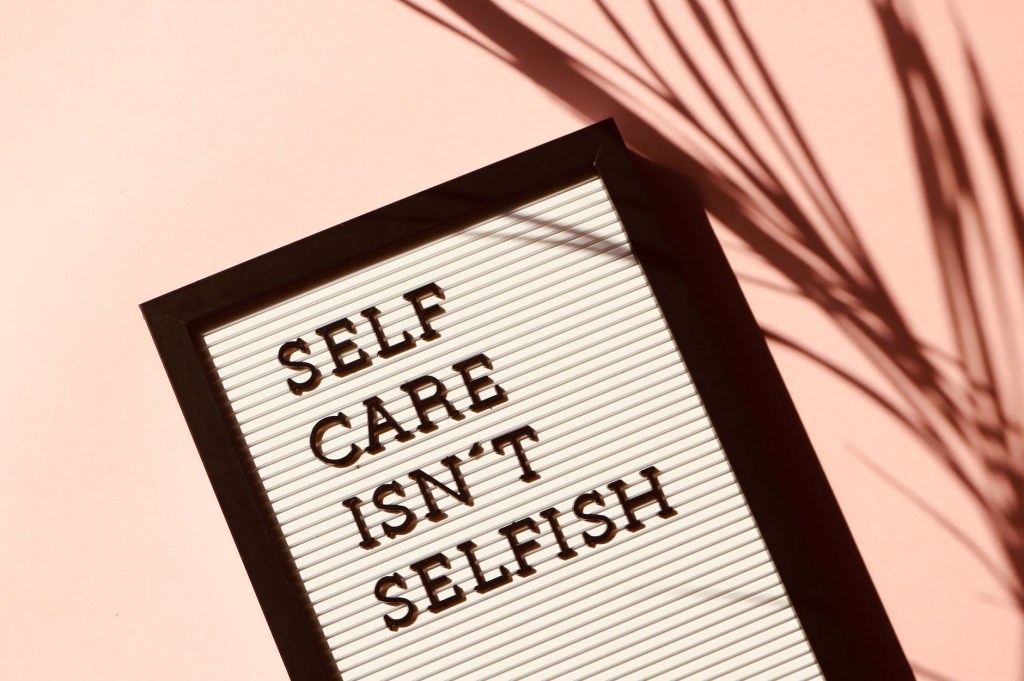
Self-care is an essential aspect of maintaining good mental health. Self-care refers to any activity that individuals engage in to take care of their physical, emotional, and mental well-being. Practicing self-care regularly can help individuals manage stress, prevent burnout, and improve their overall quality of life.
Here are some self-care practices that individuals can incorporate into their daily routines:
Exercise: Regular physical activity can help reduce stress, anxiety, and depression, as well as improve physical health. Finding a type of exercise that is enjoyable and sustainable is key to making it a regular part of one’s routine.
Mindfulness: Mindfulness is the practice of being present and fully engaged in the current moment. It can involve practices such as meditation, yoga, or simply taking a few minutes to focus on one’s breath. Mindfulness can help individuals reduce stress, increase self-awareness, and improve overall well-being.
Sleep:

Getting adequate sleep is crucial for good mental and physical health. Aim to get 7-9 hours of sleep each night and establish a consistent sleep routine.
Nutrition: Eating a well-balanced diet can help improve energy levels, mood, and overall health. Aim to eat plenty of fruits, vegetables, whole grains, and lean proteins, and limit processed foods and sugary drinks.
Social Support: Maintaining strong relationships with family and friends can provide a sense of belonging and support during difficult times. Make time for socializing and seek out social support when needed.
Hobbies and Activities: Engaging in enjoyable hobbies and activities can provide a sense of accomplishment and pleasure, as well as reduce stress. Consider trying new hobbies or revisiting old ones.
Relaxation:

Taking time to relax and unwind can help reduce stress and improve overall well-being. Activities such as taking a warm bath, reading a book, or listening to calming music can be helpful.
Incorporating self-care practices into one’s routine can take time and effort, but the benefits are worth it. By taking care of oneself, individuals can improve their mental and physical health, increase resilience, and better manage stress and difficult emotions
Hobbies and activities can be a great form of self-care as they provide an opportunity to engage in something enjoyable and fulfilling. Engaging in hobbies and activities can also promote relaxation, reduce stress and anxiety, and increase overall happiness.
There are a variety of hobbies and activities that one can engage in, depending on personal interests and preferences. Some examples include:
Creative pursuits: Engaging in creative activities such as drawing, painting, writing, or playing music can be a great way to express oneself and relieve stress.
Physical activities: Engaging in physical activities such as yoga, hiking, or dancing can improve physical health and increase endorphins, which can improve mood.
Mindful practices: Engaging in mindful practices such as meditation, mindfulness exercises, or deep breathing can promote relaxation and reduce stress and anxiety.
Social activities: Engaging in social activities such as volunteering, joining clubs or groups, or spending time with friends and family can provide a sense of connection and social support.
When choosing a hobby or activity, it is important to consider personal interests and preferences. It is also important to make time for hobbies and activities on a regular basis, as a consistent practice can lead to greater benefits.
Additionally, it can be helpful to set goals and track progress in hobbies and activities. This can provide a sense of accomplishment and motivation to continue engaging in these self-care practices.
Creative pursuits can be an excellent way to engage in self-care and promote overall well-being. Engaging in creative activities allows individuals to express themselves and tap into their inner creativity, which can be very beneficial for mental health.
Some popular creative pursuits include:
Painting and Drawing:

Painting and drawing can be very therapeutic and allow individuals to express themselves through visual art. These activities can be done in a structured or unstructured way, with or without instruction, and with a variety of different materials.
Writing: Writing can be a great form of self-expression and can be done through journaling, creative writing, or even blogging. Writing can be a helpful tool for processing emotions, working through problems, and reflecting on experiences.
Crafting:

Crafting can include a wide range of activities, such as knitting, crocheting, sewing, or jewelry making. These activities can be done alone or with others and can be a great way to de-stress and relax.
Music:

Playing an instrument, singing, or composing music can be a powerful way to express oneself and promote relaxation. Music has been shown to have therapeutic benefits for mental health and can be a great way to unwind and de-stress.
When engaging in creative pursuits, it is important to focus on the process rather than the outcome. This means that the goal should be to enjoy the activity and the process of creating rather than worrying about the final product.
Creative pursuits can be a great way to engage in self-care and promote overall well-being. By tapping into our inner creativity, we can improve our mental health and experience a sense of fulfillment and satisfaction.
Physical activities are an essential aspect of self-care, and they offer numerous benefits for mental and physical health. Engaging in physical activities regularly can help to improve mood, increase energy levels, reduce stress, and improve overall physical health.
Physical activities can include anything that gets the body moving, such as walking, jogging, swimming, cycling, weightlifting, dancing, or participating in sports. The type of activity one chooses depends on personal preference and fitness level. It is essential to start with manageable activities and gradually increase the intensity and duration over time.
When it comes to physical activity, it is crucial to find something that one enjoys doing. It is easier to stick to an activity that is fun, and that provides a sense of accomplishment. Hiking, for example, can be an enjoyable and refreshing way to engage in physical activity while also getting in touch with nature.
Additionally, participating in group exercise classes or sports can be an excellent way to stay motivated and make physical activity a social event. Joining a local running club or taking a group fitness class can provide a sense of community and support, which can be beneficial for mental and emotional well-being.
Regular physical activity is an essential part of self-care, and it is essential to make it a habit. It is recommended that individuals aim for at least 150 minutes of moderate-intensity exercise per week or 75 minutes of vigorous-intensity exercise per week. This can be broken down into 30-minute sessions, five days a week.
Physical activity is an essential aspect of self-care that offers numerous benefits for both physical and mental health. It is crucial to find activities that one enjoys and make it a regular part of one’s routine. By doing so, one can improve their overall well-being and enjoy a more fulfilling and healthy life.
Social activities are an essential part of self-care. They help us connect with others, build meaningful relationships, and reduce feelings of loneliness and isolation. Social activities can range from something as simple as going for a walk with a friend to joining a group or club that shares your interests.
When it comes to social activities, it’s important to find what works for you. You may prefer one-on-one conversations or enjoy being part of a larger group. You may be interested in joining a club or organization that focuses on a particular hobby or interest, or you may prefer to volunteer your time and skills to a cause that you’re passionate about.
Whatever social activity you choose, it’s important to make time for it regularly. Schedule social activities into your week or month, and make them a priority. Even if you don’t feel like being social at first, the benefits of connecting with others can be significant.
If you’re not sure where to start, consider reaching out to friends or family members, or look for local groups or organizations that align with your interests. Many communities offer a wide range of social opportunities, from book clubs and art classes to sports teams and volunteer opportunities.
Remember that social activities don’t have to be complicated or expensive. Something as simple as meeting a friend for coffee or taking a walk in the park can be a great way to connect with others and improve your overall well-being.
Chapter 5: nutritional diet
The food we eat not only fuels our body, but it also plays a significant role in our mental health and well-being. A balanced diet consisting of essential vitamins, minerals, and nutrients can improve mood, increase energy levels, and reduce the risk of mental health disorders.
In this chapter, we will explore the importance of nutrition for mental health, and how making simple changes to your diet can have a positive impact on your overall well-being.
How Does Nutrition Affect Mental Health?
The food we eat impacts the functioning of our brain, which in turn influences our emotions, thoughts, and behavior. For instance, consuming foods high in sugar and fat can cause a temporary feeling of pleasure, followed by a crash that leads to feelings of irritability and lethargy. On the other hand, consuming nutrient-rich foods can increase the production of feel-good chemicals in the brain, such as serotonin and dopamine, which promote feelings of happiness and well-being.
A diet high in processed and sugary foods has also been linked to an increased risk of depression, anxiety, and other mental health disorders. Conversely, a diet rich in whole foods, such as fruits, vegetables, lean proteins, and healthy fats, has been linked to improved mood, cognitive function, and reduced risk of mental health disorders.
Tips for a Nutritious Diet

Proper nutrition is an essential component of maintaining good physical and mental health. Eating a balanced and healthy diet can have numerous benefits for your body and mind, including increased energy levels, improved mood, and reduced risk of chronic diseases.
Here are some tips for incorporating good nutrition into your self-care routine:
Focus on whole foods: Incorporate plenty of whole foods into your diet, such as fruits, vegetables, whole grains, lean proteins, and healthy fats. These foods are rich in essential nutrients and can provide sustained energy throughout the day.
Limit processed foods: Processed foods are often high in calories, added sugars, and unhealthy fats. Limit your intake of these foods and focus on whole, nutrient-dense options instead.
Stay hydrated: Drink plenty of water throughout the day to stay hydrated. Dehydration can lead to fatigue, headaches, and other negative health effects.
Practice mindful eating: Pay attention to your body’s hunger and fullness cues and eat slowly, savoring each bite. This can help you feel more satisfied and prevent overeating.
Plan ahead: Make a meal plan and prep meals and snacks ahead of time to ensure you have healthy options available when you’re busy or on-the-go.
By prioritizing good nutrition, you can support your physical and mental health and improve your overall quality of life.
When it comes to nutrition, focusing on whole foods can have a significant impact on your overall health and wellbeing. Whole foods are foods that are minimally processed and contain no added sugars, preservatives, or artificial ingredients. These foods are rich in nutrients, fiber, and antioxidants, which can help to support your immune system, improve your digestion, and reduce inflammation in the body.
Whole foods include fruits, vegetables, whole grains, nuts, seeds, legumes, and lean proteins such as chicken, fish, and tofu. These foods are packed with essential vitamins, minerals, and phytonutrients that can help to protect your body against chronic diseases such as heart disease, diabetes, and cancer.
When planning your meals, try to include a variety of different whole foods to ensure that you are getting all of the nutrients that your body needs. Aim to eat a rainbow of fruits and vegetables, as each color provides different vitamins and minerals. For example, leafy greens such as kale and spinach are rich in vitamin K, while orange vegetables such as sweet potatoes and carrots are high in beta-carotene.
In addition to providing essential nutrients, whole foods can also help you to maintain a healthy weight. These foods are often more filling and satisfying than processed foods, which can help to prevent overeating and promote feelings of fullness and satiety.
Focusing on whole foods is an important aspect of self-care and can help to support your physical and mental health. By choosing whole foods over processed foods, you can provide your body with the nutrients it needs to function at its best and enjoy optimal health and wellbeing.
Another way to prioritize nutrition in your self-care routine is to limit your intake of processed foods. Processed foods are typically high in added sugars, unhealthy fats, and sodium, all of which can contribute to negative health outcomes over time. Instead of relying on processed foods, try to incorporate more whole, nutrient-dense foods into your diet.
Examples of whole foods include fruits and vegetables, whole grains, lean proteins such as chicken, fish, and legumes, and healthy fats such as avocado, nuts, and olive oil. These foods are packed with vitamins, minerals, and other nutrients that support overall health and wellness.
It’s important to note that everyone’s nutritional needs are different, and it’s always a good idea to consult with a healthcare professional or registered dietitian before making any major changes to your diet. They can help you develop a personalized nutrition plan that takes into account your individual needs, goals, and preferences.
In addition to focusing on whole foods and limiting processed foods, it’s also important to pay attention to portion sizes and to listen to your body’s hunger and fullness cues. Overeating can lead to discomfort and unwanted weight gain, while undereating can leave you feeling fatigued and lacking in energy.
Remember, nutrition is just one aspect of self-care, but it’s an important one. By prioritizing whole, nutrient-dense foods and limiting processed foods, you can fuel your body with the nutrients it needs to function at its best.
Staying hydrated is an essential part of maintaining a healthy body and mind. Our bodies are made up of about 60% water, and it plays a critical role in many bodily functions, including regulating body temperature, transporting nutrients, and removing waste. When we don’t drink enough water, we can become dehydrated, leading to fatigue, headaches, and difficulty concentrating.
The amount of water each person needs can vary based on factors such as age, weight, and activity level, but a general guideline is to aim for at least eight 8-ounce glasses of water per day. Drinking water throughout the day can also help you feel full and reduce the temptation to snack on unhealthy foods.
In addition to drinking water, you can also stay hydrated by consuming other fluids such as herbal tea, low-sugar fruit juice, and coconut water. However, it’s important to be mindful of added sugars and artificial sweeteners in some beverages, which can contribute to weight gain and other health issues.
Incorporating hydrating foods into your diet can also be beneficial. Foods with high water content, such as cucumbers, watermelon, and leafy greens, can help keep you hydrated while also providing important nutrients and fiber.
Overall, staying hydrated is an important aspect of maintaining good nutrition and overall health. By making a conscious effort to drink enough water and consume hydrating foods and beverages, you can support your body and mind in functioning at their best.
Practicing mindful eating is an essential aspect of maintaining good nutrition. Mindful eating involves paying attention to the food you are eating, enjoying each bite, and savoring the experience. It is a practice that allows you to fully engage with your food and your body, and can help you make better choices about what and how much you eat.
To practice mindful eating, start by taking a moment to appreciate the food you are about to eat. Take note of the colors, textures, and aromas. Chew slowly and deliberately, paying attention to the taste and texture of each bite. Try to eat without distractions, such as TV or your phone, and focus solely on the act of eating.
Mindful eating also involves paying attention to your body’s cues of hunger and fullness. Try to eat when you are hungry, and stop when you are satisfied, but not overly full. This helps you avoid overeating and maintain a healthy weight.
Additionally, mindful eating can help you develop a healthier relationship with food. Rather than seeing food as something to be controlled or restricted, you can learn to view it as a source of nourishment and pleasure.
Incorporating mindful eating into your daily routine can take time and practice, but it is a valuable tool for maintaining good nutrition and a healthy relationship with food.
Planning ahead is a crucial component of healthy eating. By taking the time to plan your meals and snacks, you can ensure that you have the necessary ingredients on hand and can avoid last-minute decisions that may not be the healthiest options.
One way to plan ahead is by creating a meal plan for the week. This can help you make sure that you are incorporating a variety of foods into your diet, as well as staying within any dietary restrictions or preferences you may have. A meal plan can also help you save time and money, as you can buy ingredients in bulk and avoid eating out or ordering in.
Another way to plan ahead is by meal prepping. This involves preparing your meals and snacks in advance, so that they are ready to go when you need them. Meal prepping can save time and stress during busy days, and can also help you avoid impulse eating decisions.
It is also important to plan for times when you may not have access to healthy food options. This can involve packing healthy snacks and meals when you are on-the-go or traveling, or researching healthy options at restaurants or other dining establishments.
By planning ahead, you can make healthy eating a consistent and sustainable part of your life.
CHAPTER 6: CONCLUSION
In this blog, we have discussed various ways to improve your mental health and overall wellbeing. We have emphasized the importance of physical exercise, therapy, self-care, and nutrition as key components of a healthy lifestyle. By incorporating these practices into your daily routine, you can boost your mood, reduce stress and anxiety, and improve your overall quality of life.
Remember, self-care is not selfish. It is essential for your physical, emotional, and mental wellbeing. Taking care of yourself is not a luxury, but a necessity. It is important to prioritize your own needs and make time for activities that bring you joy and fulfillment.
Although it may seem overwhelming at first, making small changes to your daily routine can have a significant impact on your mental health. Start with one or two practices that resonate with you and gradually incorporate more as you feel comfortable.
Remember that improving your mental health is a journey, not a destination. There will be ups and downs, but it’s important to stay committed and consistent in your efforts. Don’t be afraid to seek help or support from friends, family, or professionals if you need it.
In conclusion, taking care of your mental health is crucial for your overall wellbeing. By incorporating physical exercise, therapy, self-care, and nutrition into your daily routine, you can improve your mood, reduce stress, and enhance your overall quality of life. Remember to prioritize your own needs, be patient with yourself, and stay committed to your journey towards better mental health.


 Lonely Death Reflections
Leave a reply to Aloya Cancel reply