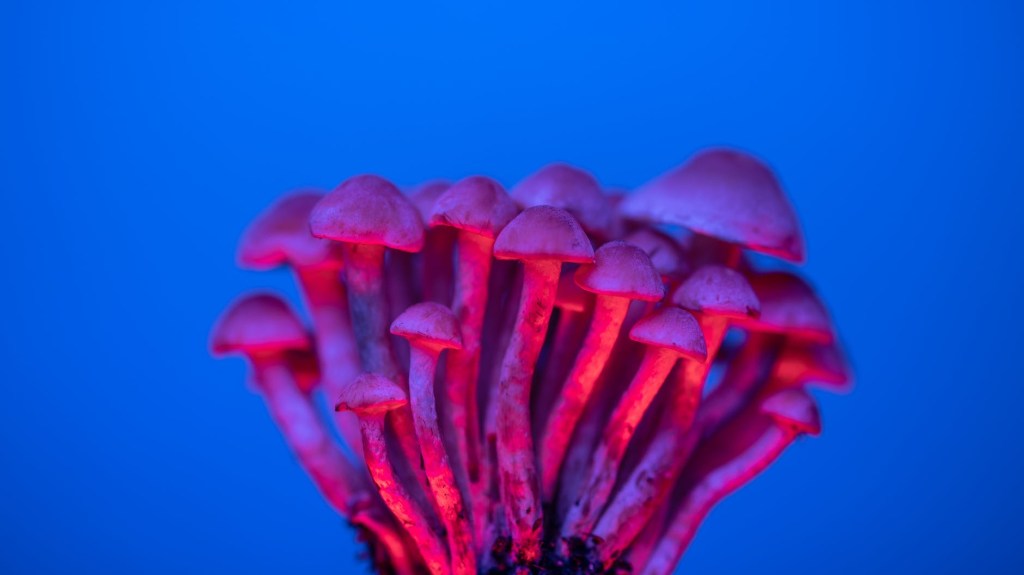
Psilocybin, also known as magic mushrooms, has been used for centuries in various cultures for spiritual and medicinal purposes. In recent years, it has gained renewed attention due to its potential therapeutic effects on mental health. Research has shown that psilocybin has numerous benefits, and it could be an effective treatment for a range of conditions, including depression, anxiety, addiction, and PTSD.
One of the most significant benefits of psilocybin is its ability to alleviate depression and anxiety. A study conducted by the Imperial College London found that patients who were given psilocybin experienced a significant decrease in depressive symptoms and improved their overall mood. The benefits persisted for up to three months after the treatment. Additionally, psilocybin is safe for use in most patients and has no known addiction or dependence potential.
Another potential benefit of using psilocybin is its ability to treat addiction. Addiction is a complex disease that affects millions of people worldwide, and traditional addiction treatment methods do not work for everyone. However, research suggests that psilocybin may be a promising alternative for addiction treatment. The psychedelic experience of psilocybin can help to break down psychological barriers and promote empathy and compassion, which may help individuals better understand the underlying causes of their addiction and approach recovery with renewed motivation and insight.
Moreover, psilocybin can be beneficial for people with PTSD or those who have experienced other types of trauma. As a powerful psychoactive substance, it can create insights into the causes of trauma and facilitate the processing of painful memories. It can also help individuals reconnect with their emotions and reduce feelings of detachment or numbness associated with PTSD.
Beyond treating specific mental health conditions, psilocybin has also been linked to an increased sense of well-being and life satisfaction. A study by the John Hopkins University found that psilocybin administration led to a positive shift in individual’s attitudes towards life and death, increased feelings of spirituality, and improved relationships with others. These benefits may stem from the ability of psilocybin to break down barriers to self-understanding, increase empathy and social connectedness, and facilitate a sense of gratitude for life.
In conclusion, psilocybin has a wide range of therapeutic possibilities and could potentially revolutionize the field of mental health treatment. While the use of psilocybin is still illegal in most countries, the growing body of research suggests that it could be a valuable treatment option for patients with a variety of mental health conditions.

 Lonely Death Reflections
Leave a comment